Can a Toothbrush Be Used for DNA Testing?
Used toothbrushes may contain biological material from the person who used them, but DNA quantity, contamination and sample condition can vary considerably. A toothbrush is therefore a special sample and is assessed before submission.
Sample type: Laboratory assessment required · Typical suitability: Case dependent
What affects a toothbrush sample
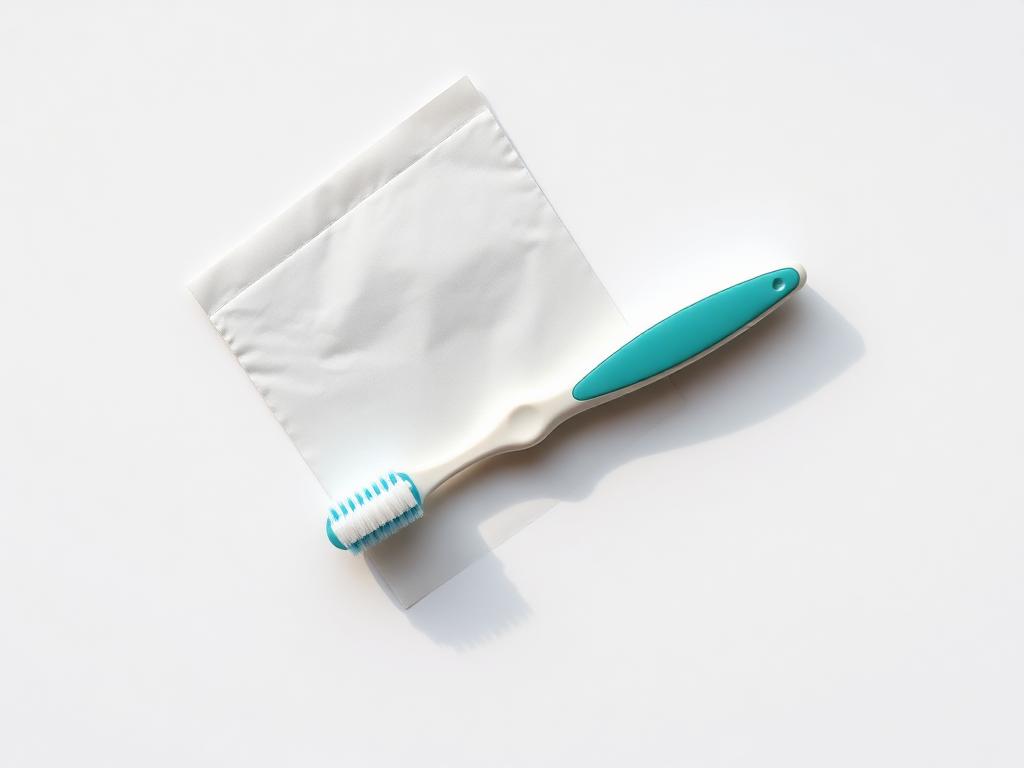
Usable material generally depends on how recently and how often the brush was used, how long it has been stored, whether it dried properly, and whether it was kept in a shared holder where material from other people could transfer.
Cleaning products, prolonged moisture and bacterial growth can degrade the material available to a laboratory partner, which is why suitability is assessed case by case.
Whose DNA is on the brush?
Because a toothbrush is a personal item rather than a controlled collection, more than one contributor may be present. We may ask who the item belongs to, how it was obtained, and whether that person has consented to testing.
Before you send a toothbrush
Please contact us before mailing a toothbrush so we can confirm whether it may be accepted and how it should be packaged. Submitting details for review is not a confirmation of suitability.
What helps a sample
- A recently used, fully dried brush is generally preferable to one stored damp.
- Do not rinse, clean or wet the brush before review.
- Shared storage with other brushes may introduce material from other people.
- Not suitable for legal or official testing unless specifically instructed.
FAQ
Questions about toothbrush samples
No sample can be guaranteed to produce a usable DNA profile. Laboratory analysis is performed by qualified, accredited laboratory partners, and acceptance of any report by a third party is not guaranteed.