Featured
DNA TestingAugust 27, 2026
How DNA Testing Works: From Sample to Report
A plain-language walkthrough of the DNA testing process, from collection through analysis by accredited laboratory partners to your final report.
Read articleAnalysis performed by qualified, accredited laboratory partners
KINORA GENETICS (DNA) News Center
New DNA and genetics research explained in plain language, genetics news, DNA testing knowledge and KINORA Insights. Every research article names its original publication, authors, journal and date.
Browse by section
Browse by topic
Featured
A plain-language walkthrough of the DNA testing process, from collection through analysis by accredited laboratory partners to your final report.
Read article
Realistic timelines for paternity DNA testing, and the factors that can make a case faster or slower.
Read article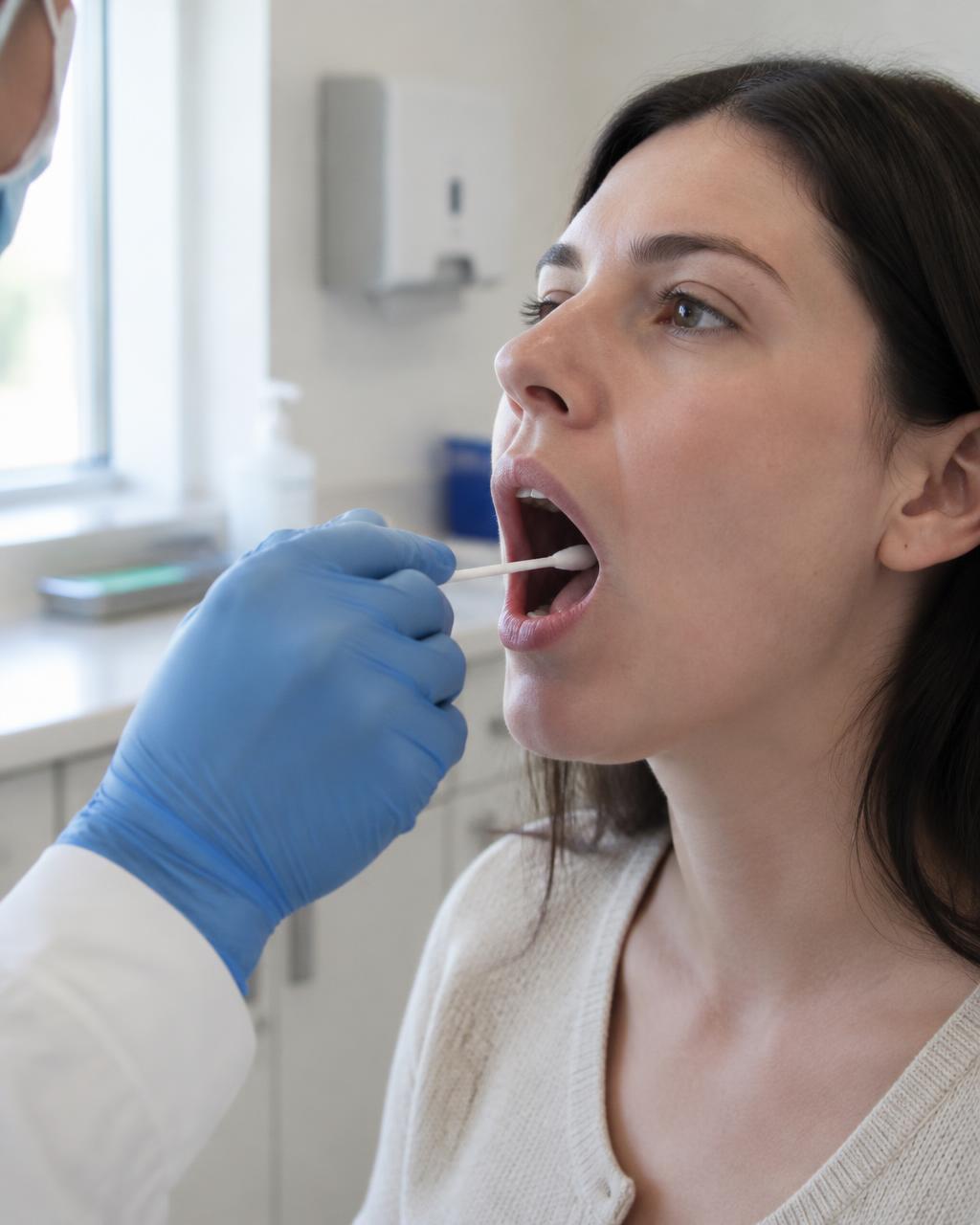
What to bring, what the collector does, and how long a DNA sample collection appointment takes.
Read article
Why the cheek swab is the preferred DNA sample, and how to collect it correctly.
Read article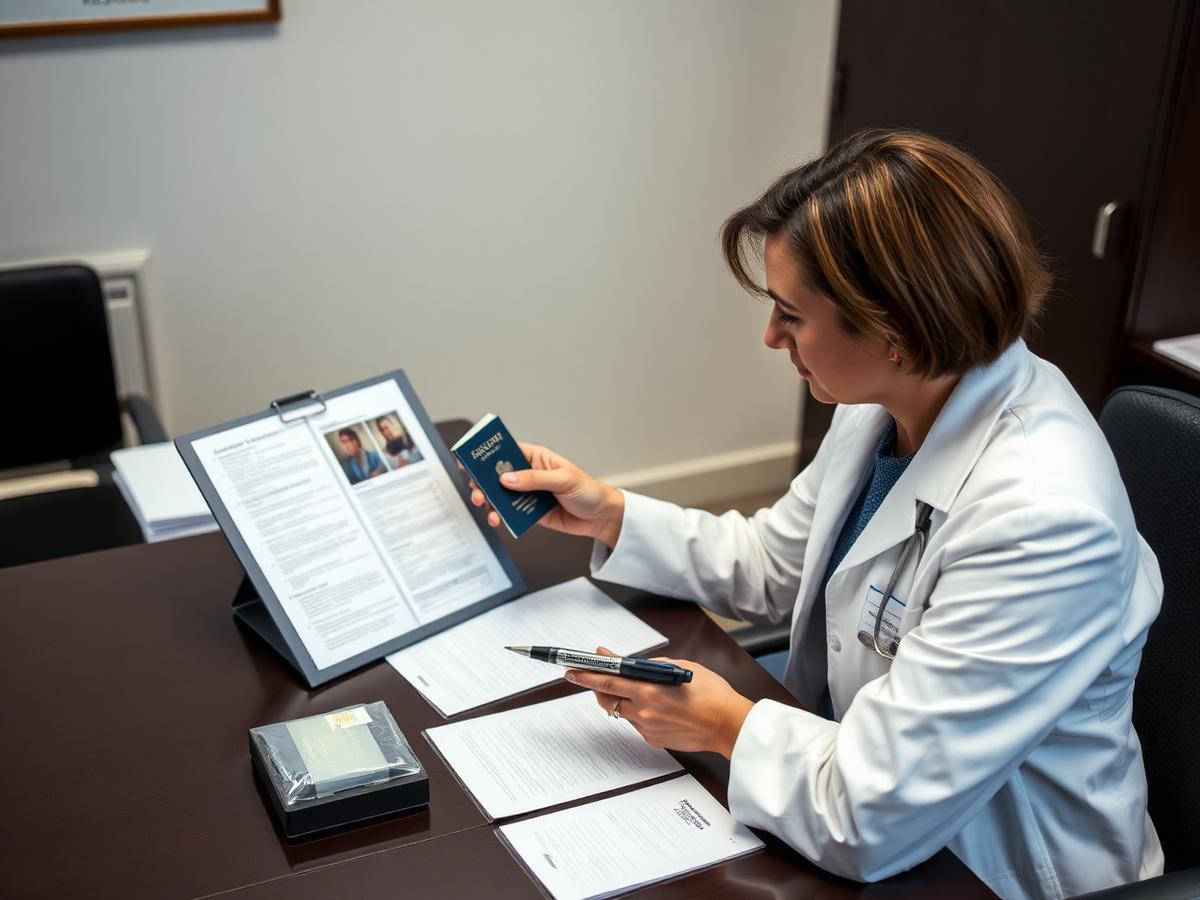
How personal and legal paternity tests differ, and why the intended use must be decided before collection.
Read article
What it means when an immigration application asks for DNA evidence of a family relationship.
Read article
How participants in different countries can take part in one DNA testing case.
Read article
An overview of international DNA testing for families living in more than one country.
Read article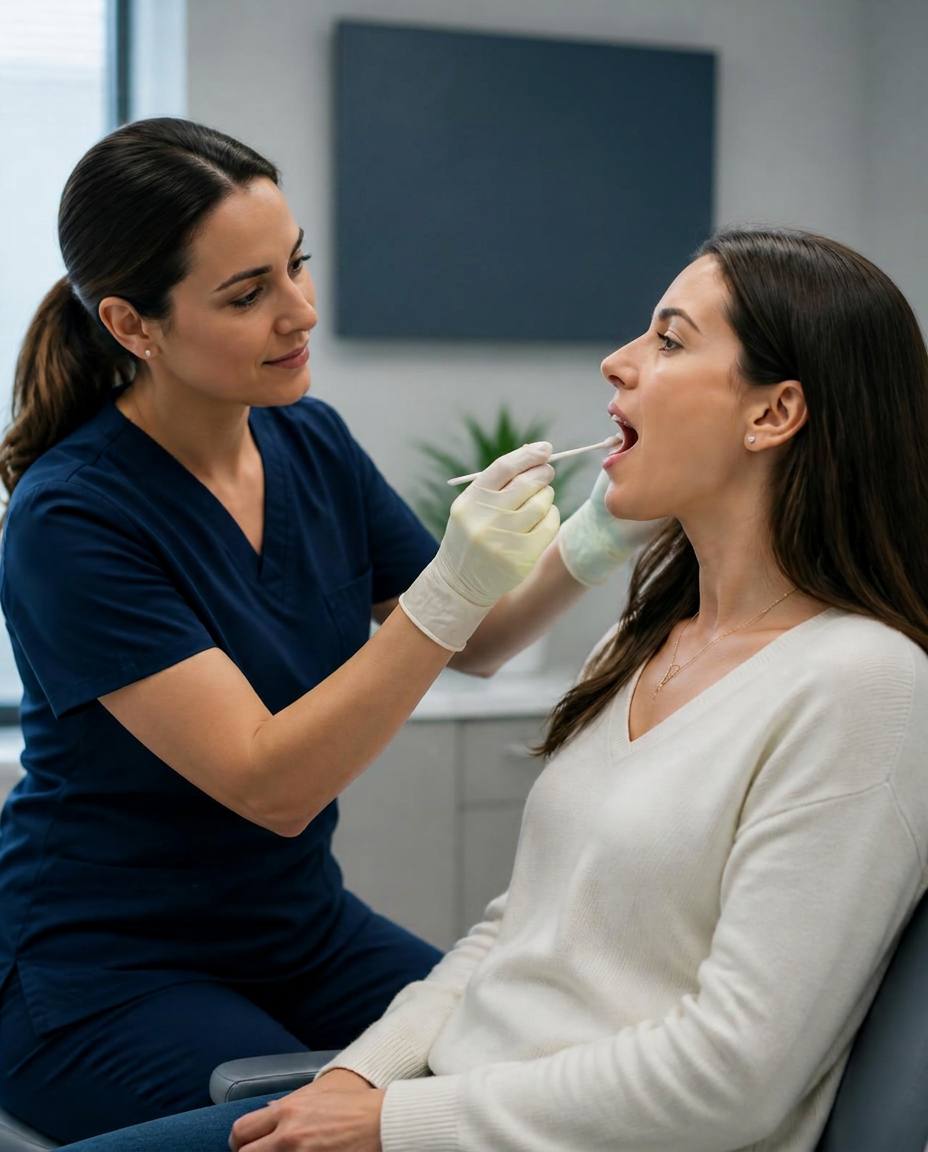
The steps between collection and report delivery.
Read article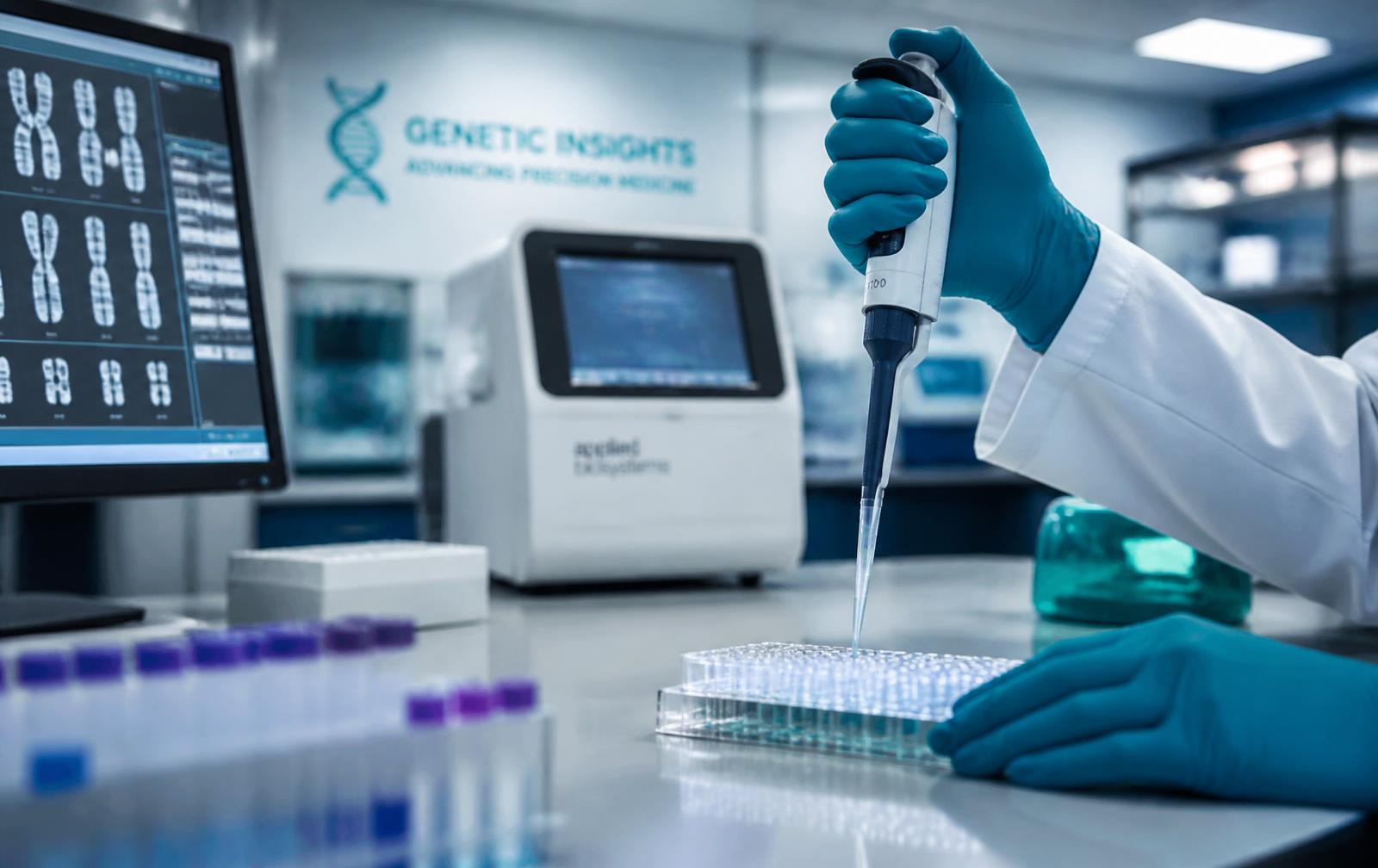
How DNA samples are handled, transported and protected after collection.
Read article
How prenatal paternity testing differs from post-birth testing.
Read article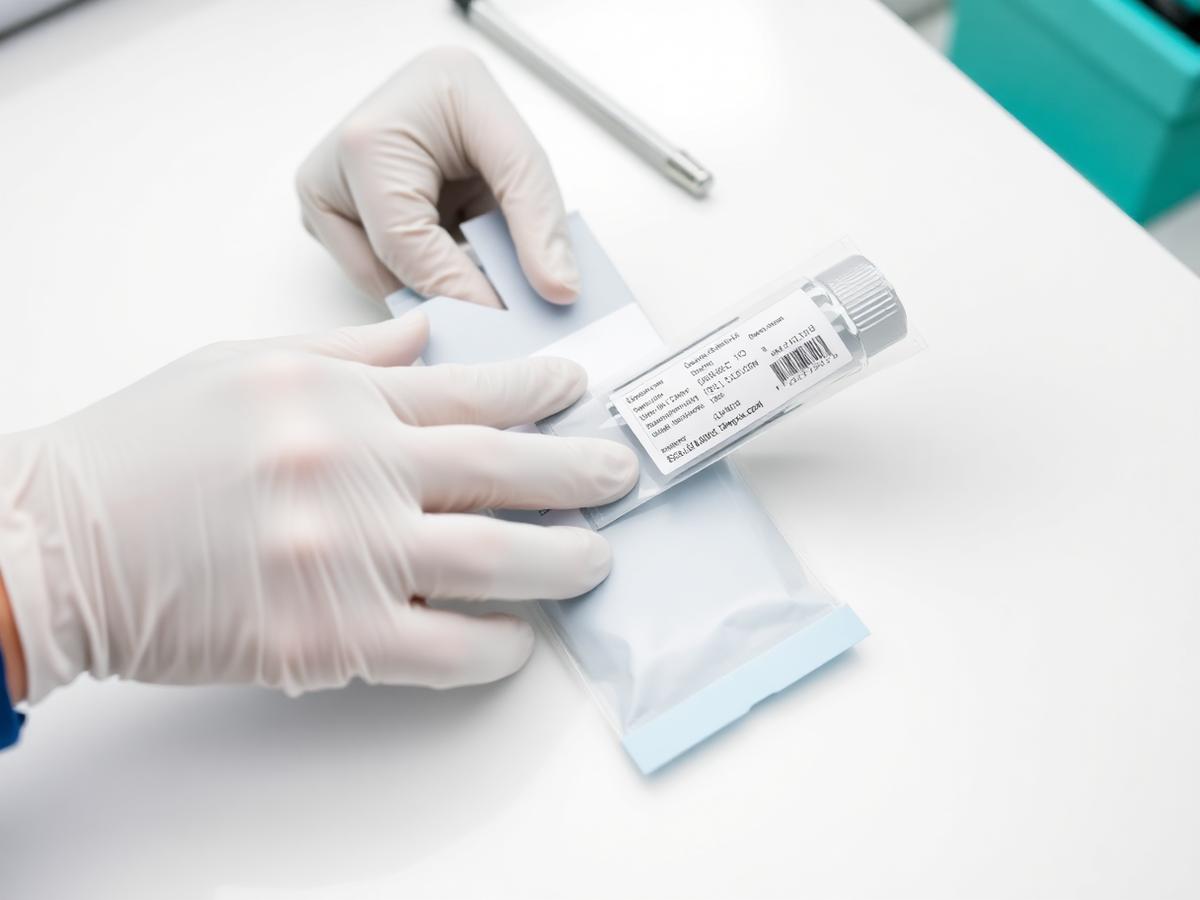
Options when the alleged father is unavailable, unwilling or deceased.
Read article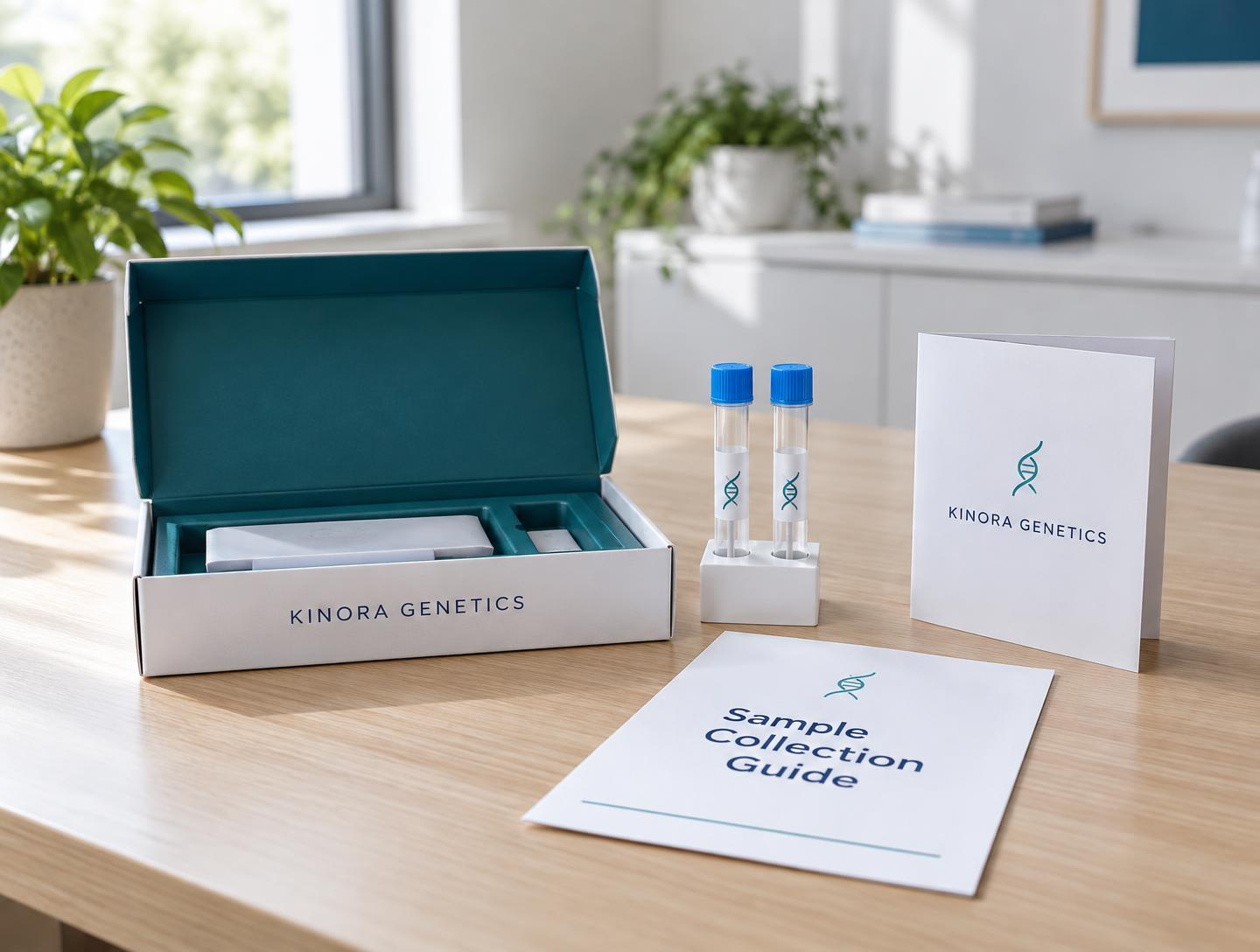
How grandparent DNA testing works when the father is not available.
Read article
Full and half-sibling DNA testing for adults who may share a parent.
Read article
When hair may be used as a DNA sample, and why roots matter.
Read article
What to know before sending a toothbrush for DNA testing.
Read article
The seven questions that determine which DNA test you need.
Read article
Report timelines across different DNA test types.
Read article
Why chain of custody matters for legal and immigration DNA reports.
Read article
Practical guidance for families completing one DNA test across borders.
Read article
A step-by-step look at a standard paternity DNA test in Vancouver, from booking an appointment to receiving the report.
Read article
A step-by-step look at what happens between your first call and the report: who is tested, how samples are collected, and who analyses them.
Read article
中文说明:报告包含哪些内容,结论如何解读。
Read article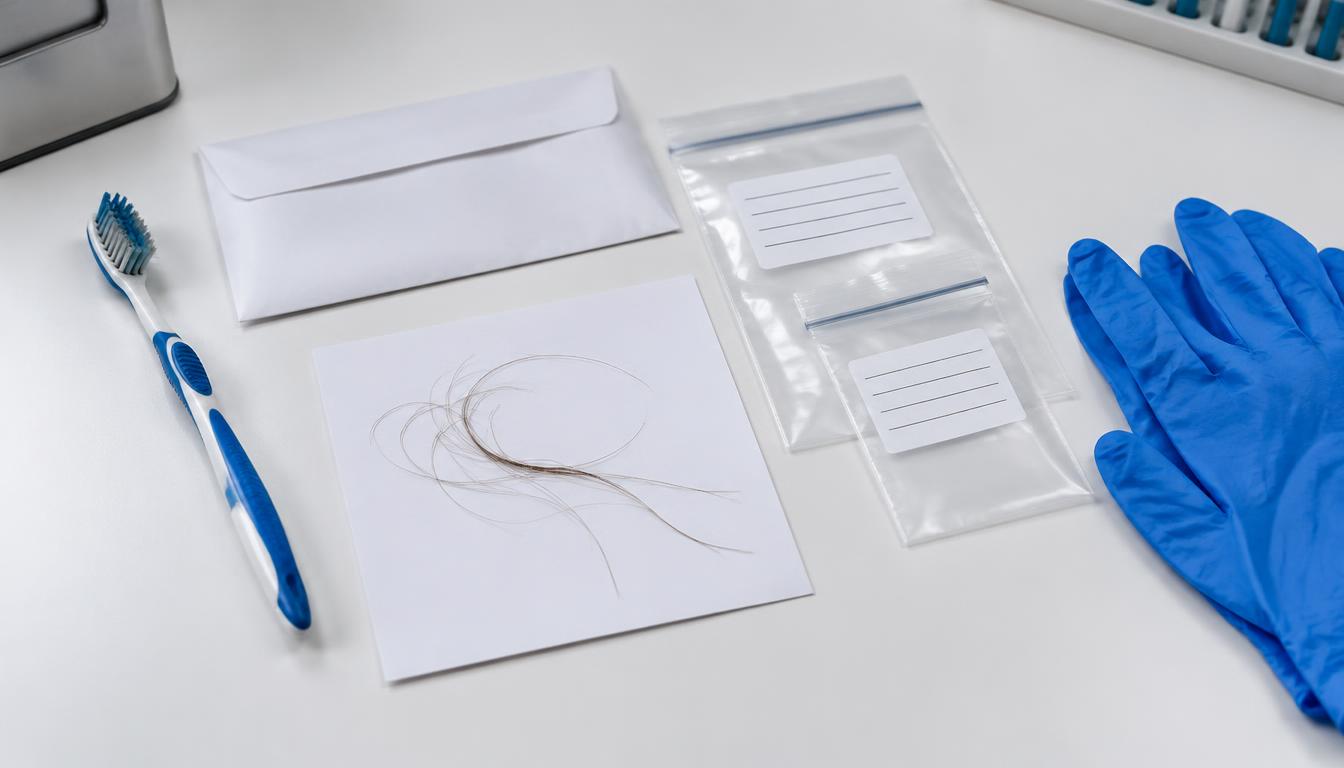
What accuracy really depends on: correct participants, good samples, and disciplined collection.
Read article
中文说明:影响结果可靠性的关键因素,以及流程如何保障质量。
Read article
中文说明:头发、牙刷、指甲等非标准样本的可行性与限制。
Read article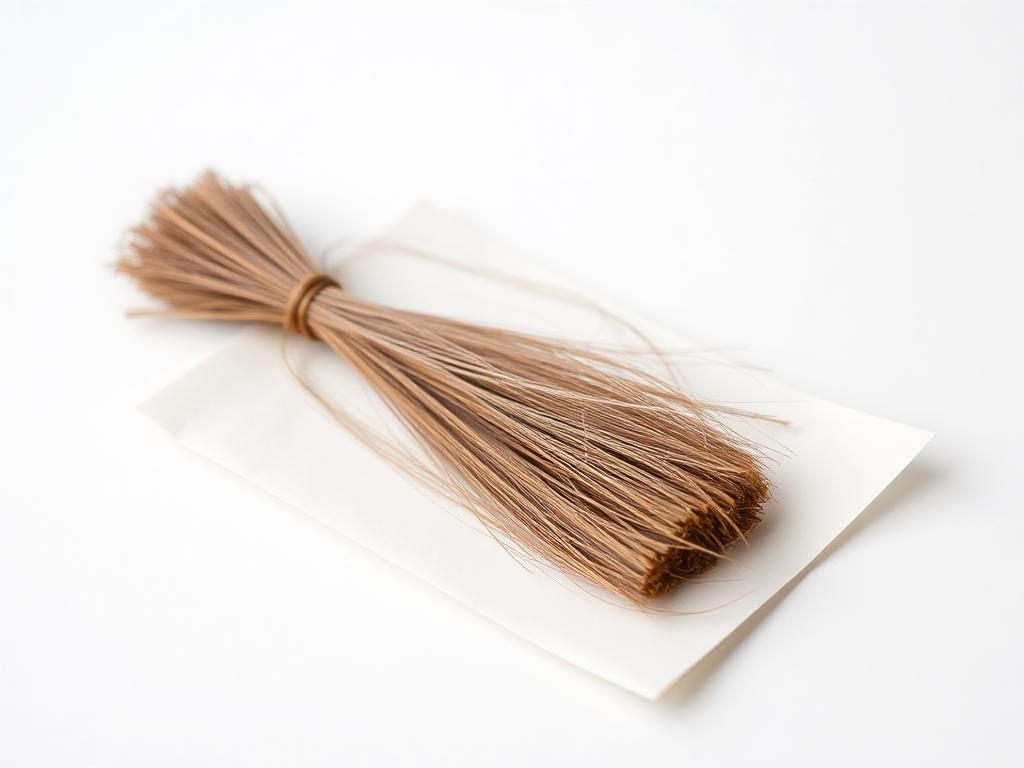
When to choose a sibling comparison, when a grandparent test is stronger, and what each can show.
Read article
Why paternity testing is quoted as a starting price, and the factors that change what you actually pay.
Read article
The practical difference between a test for your own knowledge and one prepared for courts, lawyers or immigration files.
Read article
When an immigration file asks for DNA evidence of a family relationship, and how the process is coordinated.
Read article
Cheek swabs, witnessed collection and home kits — what happens at each type of appointment.
Read article
Standard versus non-standard samples, and why some items may not produce a usable result.
Read article
Realistic turnaround expectations, and what makes a case take longer.
Read article
How relationship testing works when a parent cannot be tested directly.
Read article
中文说明:确认参与者、身份核验与采样、合作实验室分析、报告交付的完整步骤。
Read article
中文说明:为什么页面上给出的是起步价格,以及哪些因素会改变最终费用。
Read article
中文说明:两种用途在采样方式、身份核验、保管链与报告用途上的差别。
Read article中文说明:什么情况下需要移民 DNA 检测,以及采样、海外协调与报告交付如何安排。
Read article中文说明:准备材料、参与者安排与常见误区。
Read article中文说明:法律用途案件的采样要求、材料准备与常见误区。
Read article中文说明:无法直接检测父母子女时,可以用哪些亲属关系做比对。
Read article中文说明:口腔拭子采样步骤、见证采样与自采样采集包的差别。
Read article中文说明:为什么口腔拭子是首选样本,以及采样时要注意什么。
Read article中文说明:常规出报告时间,以及哪些情况会更慢。
Read articleWhat actually drives the cost of a paternity test in Canada: personal versus legal testing, professional collection, extra participants, overseas coordination, courier and reporting fees, and how to get an accurate written quotation.
Read articleA practical guide to immigration DNA testing for Canadian applications: when IRCC may request DNA evidence, how identity verification and chain of custody work, how sample kits are shipped internationally, and how collection is coordinated across countries.
Read articleA plain-language walkthrough of the paternity testing process in Canada: sample collection, laboratory analysis by accredited partners, and how to read your report.
Read articleWhy paternity reports show 99.99% rather than 100%, and how exclusions work.
Read articlePersonal peace of mind, immigration evidence, or a court matter — each needs a different test design.
Read articleWhen immigration authorities request DNA evidence of a family relationship, the collection process — not just the result — determines whether the report is accepted.
Read articleHow paternity testing works, who needs to be tested, and what your report will show.
Read articleThe biology is the same. The collection process — and what the report can be used for — is not.
Read articleChain of custody is the documentation that proves a sample came from a verified person and was never compromised. Here is what it involves.
Read articleLess common than paternity testing, but essential in adoption, surrogacy and immigration cases.
Read articleHow DNA evidence supports family relationship claims in immigration applications.
Read articleWhat to have ready before your identity-verified collection appointment.
Read articleCheek swabs are the standard sample for DNA testing. Special samples such as hair, nail clippings, or a toothbrush may be considered, but recovery is never guaranteed.
Read articleHow samples from family members abroad are collected and returned for analysis.
Read articleA documented trail from donor to laboratory is what makes a report usable by institutions.
Read articleWhen an alleged parent is unavailable, sibling, grandparent, avuncular, and Y-chromosome testing can help evaluate a claimed biological relationship.
Read articleArticles are general information about DNA testing processes and are not legal or medical advice. Legal and official testing requires professional, identity-verified collection. Laboratory analysis is performed by qualified, accredited laboratory partners.